Taxation & Notifications
HSN and SAC Codes: Full Forms, Differences and GST Reporting
HSN stands for Harmonized System of Nomenclature, and is used to classify goods in a systematic manner.
Read More
HSN stands for Harmonized System of Nomenclature, and is used to classify goods in a systematic manner.
Read MoreYour ATM withdrawal limit depends on your debit card and the limits applied to your account. A daily cash cap, the amount a machine dispenses in one transaction…
RTGS operates 24 hours a day, including Sundays and bank holidays. The network’s availability is different from the time a branch accepts instructions or the time your bank…
A payment screenshot is a claim that someone paid you. Before handing over goods, releasing a download or issuing a refund, verify the matching payment in your own…
The quickest place to look for your bank account number is your bank’s official app or internet banking account. Open the relevant account’s details, or check a bank-issued…
The standard PhonePe transaction limit per day is ₹1,00,000 (₹1 lakh) for regular bank-account UPI transfers. Your linked bank or PhonePe may apply a lower amount or a…
Prepare your D2C brand for the festive season sale. Master server load, inventory timelines, and post-sale return strategies to maximize net margins.
Learn the difference between payment timeout and late authorisation, and how to handle late authorised payments with capture, refund, and webhook logic.
Cancelling GST registration marks a critical transition for businesses in India. Whether closing operations, restructuring, or falling below the turnover threshold, understanding the formal process to surrender a…
Form ITC‑01 serves as a critical bridge between pre-registration inventory investments and post-registration tax credits in India’s GST framework. This declaration mechanism enables businesses to preserve legitimate input…
Business information rarely remains static. When companies expand operations, relocate offices, or restructure management, their GST registration details need updating to reflect these changes. GST registration amendment provides…
Filing for a GST refund can feel overwhelming, but at its core, the process starts and ends with a single form. GST RFD-01 is the official online application…
Filing GST returns involves far more than plugging in financial figures. Every line item in your return demands precise data reporting, including the units in which goods are…
India’s GST framework has undergone a fundamental shift – from manual scrutiny by tax officers to automated surveillance powered by real-time data triangulation on the GST portal. Today,…
Form DRC-03 is the designated mechanism on the GST portal for making voluntary payments of tax, interest, and penalties. Whether you have spotted a mismatch during an internal…
A pay order is a secure, prepaid payment instrument that a bank issues to guarantee a fixed amount to a named beneficiary. You pay the money upfront, and…
Green marketing is about promoting products and services based on genuine environmental benefits. In 2026, this matters because Indian consumers and businesses increasingly expect brands to act responsibly…
When you’re navigating the complex world of financial reporting, understanding the difference between GAAP and IFRS becomes crucial for your business operations. These two dominant accounting frameworks shape…
The Indian tax landscape is poised for a revolutionary transformation with the introduction of GST 2.0, marking the most significant overhaul of indirect taxation since the original GST…
If you’re an entity with a Unique Identity Number (UIN) operating in India, understanding GSTR-11 is crucial for claiming GST refunds on your purchases. This specialised return serves…
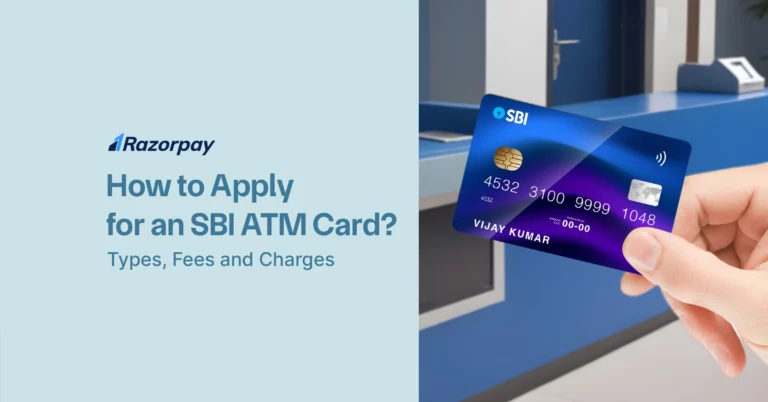
Applying for an SBI ATM card has never been easier, thanks to the numerous methods available for both tech-savvy users and those who prefer traditional ways. In this…
Goods and Services Tax (GST) has transformed India’s tax system since 2017, impacting various industries, including brick manufacturing. This article covers GST rates on bricks with their HSN…
No GST on UPI transactions over ₹2000 – Latest 2026 Update Key takeaways UPI transactions themselves do not attract GST. The payment method is only a way to…
The global economic landscape of 2026 is characterized by what institutional analysts define as structural volatility, a state where geopolitical fragmentation, rapid technological acceleration, and a shift toward…
The Unified Payments Interface (UPI) was developed by the National Payments Corporation of India (NPCI) to facilitate seamless, real-time bank-to-bank transactions. With UPI, users can effortlessly transfer money…